

Why "I Should Be Thinner" Is Keeping You Stuck (And Unloved)
Part of the Sabotaging Shoulds Series from ‘Confessions of a People Pleaser’
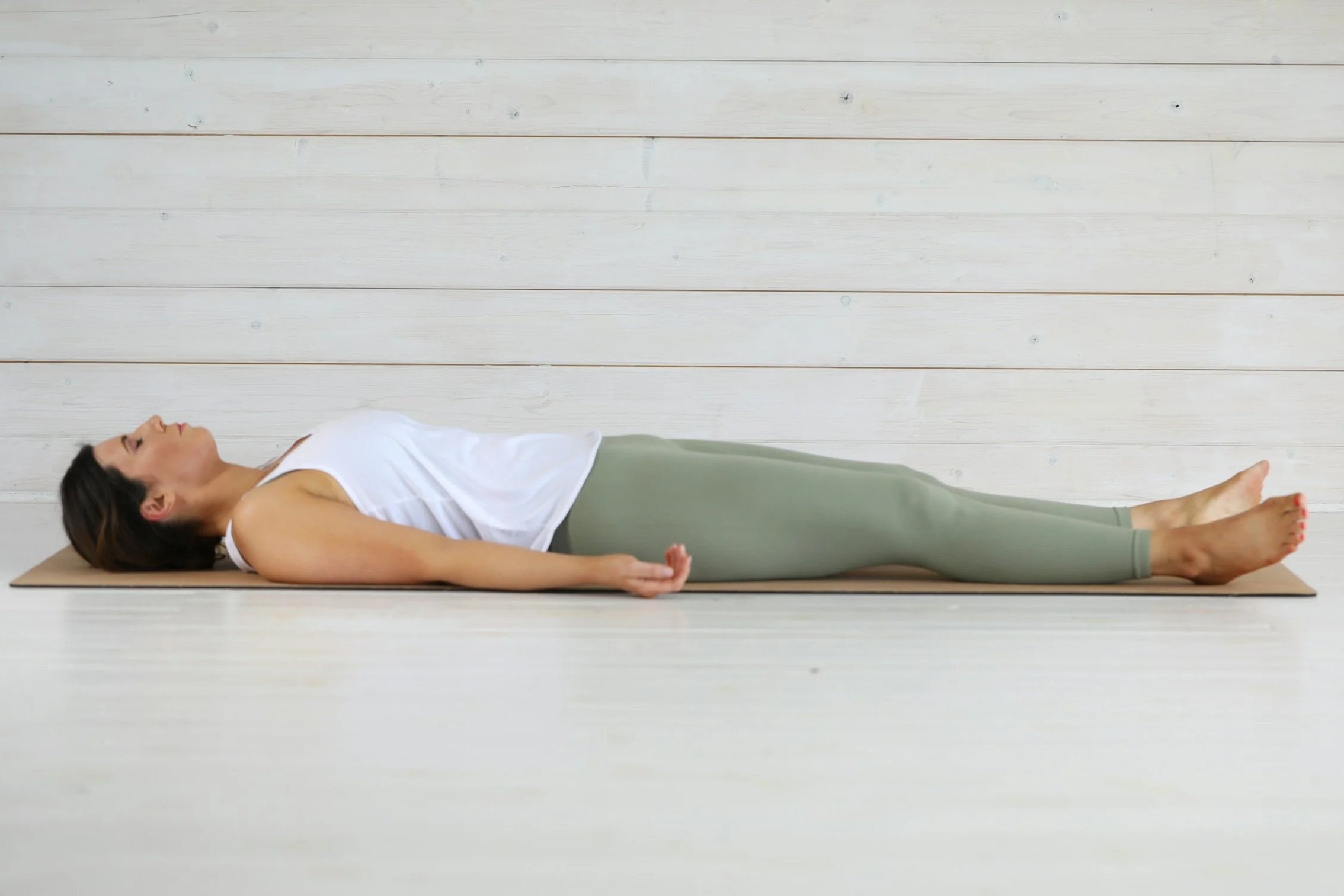
I'm lying in savasana after a restorative yoga class, genuinely not wanting it to end (which, if you knew the old me, would have been cause for a wellness intervention). This is the same woman who used to treat the final three minutes of yoga like a hostage situation, planning an army-crawl exit after the last sun salutation, rather than lie still with her thoughts for one more second…
But something shifted that day.
The instructor invited us to give gratitude to our bodies, and instead of eye-rolling my way through it, I actually dropped in and played along. And what came up wasn't pretty, but it was real, and apparently it needed to be seen.
The Story We've Been Told (And Believed)
Here's a number that should stop us cold: almost 86% of women are dissatisfied with their bodies and want to lose weight, while more than 10 million women suffer from eating disorders.
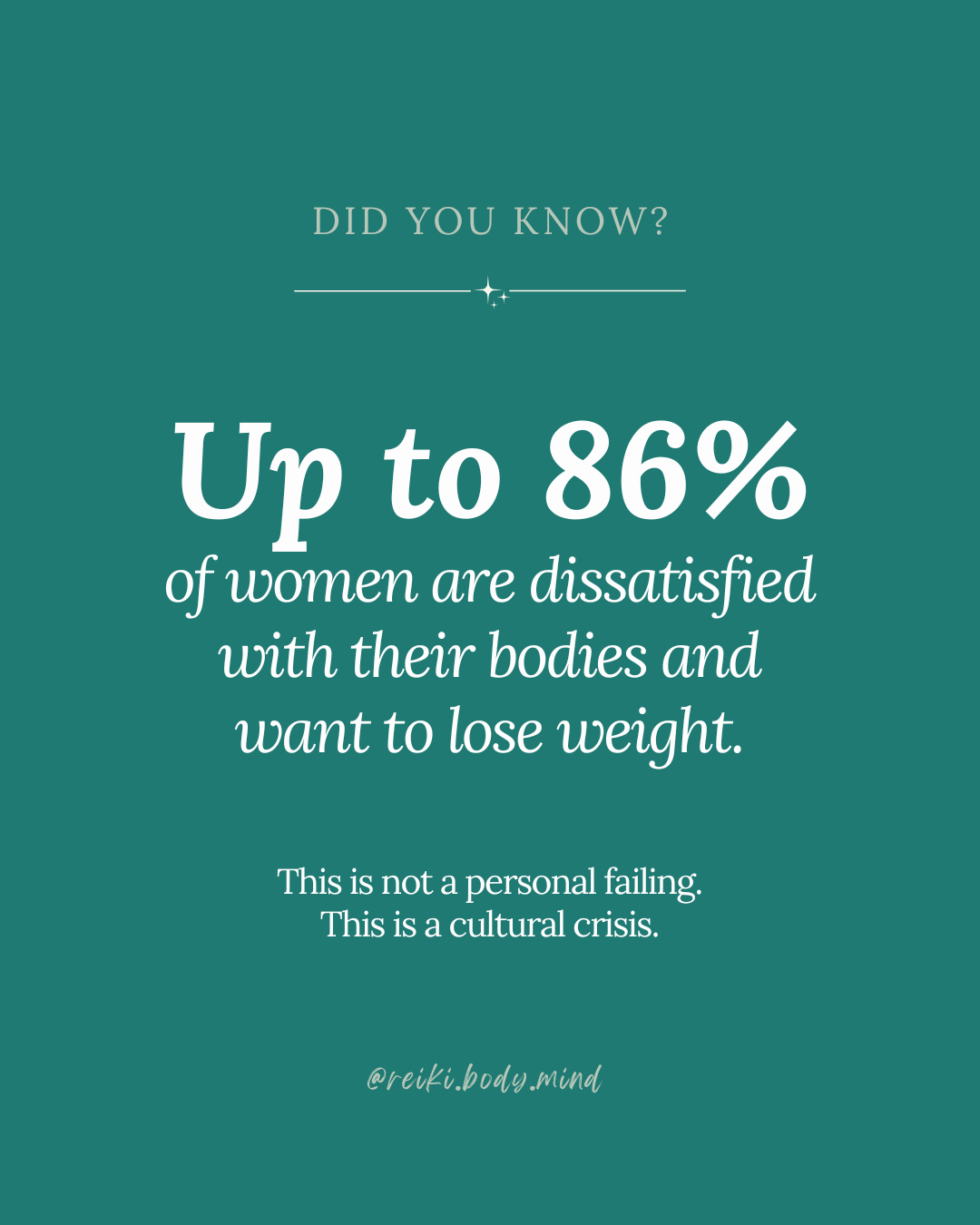
Eighty. Six. Percent.
This is not a personal failing. This is a cultural crisis!
We live in a world that simultaneously tells us to love ourselves and offers us seventeen different ways to fix our perceived flaws before breakfast. We know, intellectually, that poor body image contributes to anxiety, eating disorders, low self-esteem, and a whole host of things we're trying to heal. And yet somehow, somehow, the number on the scale still feels like a report card on our worthiness as a human being.
Why? Because we've been running a program that says: thinner = more lovable.
And my friend, that program is lying to you.
My Own Body Bully Moments (Because Oversharing Is My Love Language)
During my savasana time-travel, I visited a few versions of myself I hadn't thought about in a while.
Version one was after I had my second baby, waking up at 5 a.m. six days a week, obsessively counting calories, running herself into the ground and deflecting every single compliment like it was a dodgeball. "Oh, you know, I'm just chasing a toddler!" I couldn't admit the truth: that I was terrified my husband would leave me for a younger, shinier version if I didn't bounce back and look like his beautiful co-workers. Because that's what makes us loveable, right?
Reality check: It is not.
Version two was post-first-baby Lisa, who had used "eating for two" as a literal doubling of all portion sizes, gained 45 pounds, worked out exactly zero times, and had convinced herself that breastfeeding would magically reverse all of it. It did not. What it did give me was a horrific pumping set up in my bathroom with fluorescent lights, where I stood in front of a mirror with suction cups on my boobs, certain the machine was whispering "you cow, you cow" on a loop.
I wish I were making this up.
In my sleep deprived mind, I thought doing squats and lunges while pumping would "dual-purpose" the experience. My body's response was a tanked milk supply. Because well duh. My nervous system was running on stress and self-loathing, not nourishment.
Version three was the most painful to revisit. Shortly after losing my father, I was barely eating, not working out, running on fumes and toddler leftovers - and I was getting compliments. People told me I looked great. But I was deeply unwell.
That's the moment I want you to sit with. When we celebrate someone's weight loss without knowing their story, what message are we actually sending?
Where Does the Body Bully Come From?
Before you blame yourself for internalizing all of this, I want you to ask a gentler question: where did you first learn to feel this way?
What was your mother's relationship with her own body? For me, it was watching my mom count Weight Watchers points, swap meals for shakes, and shrink herself (not her body, but her joy) every time she felt like she wasn't enough. She never made me feel bad about my body. But I inherited her script anyway.
Research shows that children as young as three or four years old already hold attitudes about body shape and size. By the time we hit our teens, 46% of girls aged 13-19 say body image causes them to worry "often" or "always."
We didn't create this narrative. But we can choose to stop living inside it.
The Face That Doesn't Exist (And the Body We're Dying to Have)
Here's what we're actually up against: researchers have coined a term called "Instagram Face" — a digitally filtered beauty standard featuring catlike eyes, long lashes, a small nose, high cheekbones, and full lips, created through filters that manipulate photos and video to produce an idealized image that critics say has resulted in a deeply unrealistic and homogeneous standard of beauty.
We are literally comparing ourselves to a face that was designed in an app.
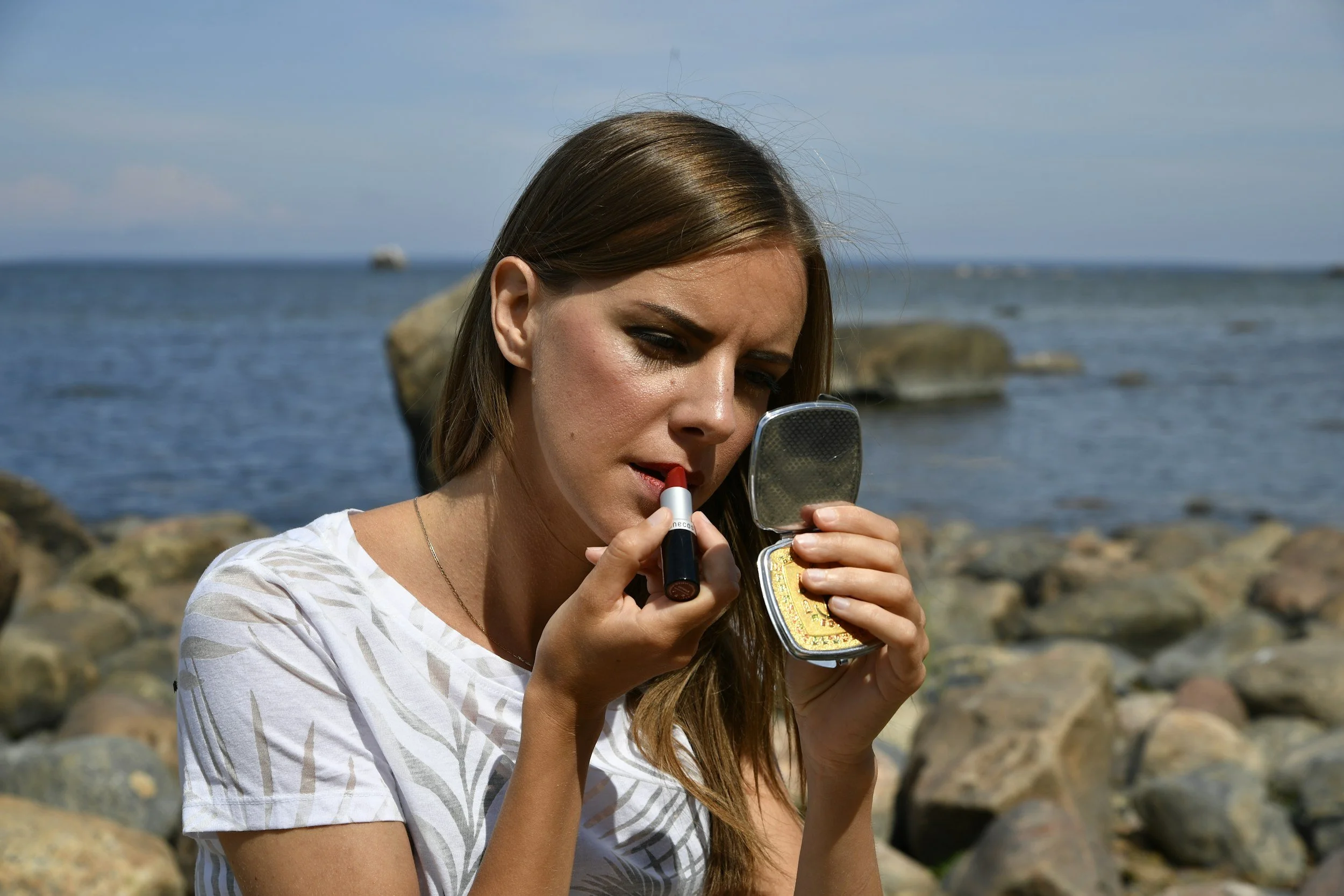
The data behind it is sobering. Nine in ten girls follow at least one social media account that makes them feel less beautiful. Over half say they can't live up to the beauty standards projected on social media. And it's not just teenagers! These algorithms don't check IDs. Women are exposed to beauty content that promotes unrealistic ideals even when they're not actively seeking it out and even when they know the standards are unattainable, they still feel the pressure to look differently.
Read that last part again. Knowing it's fake doesn't make it stop hurting.
The beauty industry has essentially created a hall of mirrors, and we keep walking in thinking we need to be fixed. We are quite literally chasing filtered, smoothed, liquified, and AI-enhanced standards that don't exist in nature. Can we please collectively put that down now?!
5 Ways to Start Healing Your Relationship with Your Body
I'm not going to promise you a spiritual bypass here. Body image work is real work, and I still check in with myself regularly. But these five shifts have genuinely moved the needle for me, and for the clients I work with.
1. Start with gratitude — for what your body does, not how it looks. Not "I love my legs because they're toned." More like: I’m grateful that my legs carried me through every hard thing I've ever survived. Your heart beats without asking permission. Your arms carry groceries and children. That's extraordinary. Write it all down.
2. Ditch the "someday" clothes. Come-on, you know the drawer. The jeans from 2018 that are "motivation." Here's the Pareto Principle applied to your closet: we wear 20% of our clothes 80% of the time… the ones that actually feel good. So get rid of anything that makes you feel like you're not enough right now. That's not a pile of motivation; it’s an active pile of shame.
3. Move because it feels good, not as punishment. Have you ever actually regretted a workout? Probably not. But have you dragged yourself through a workout you hated out of obligation? Probably. Find movement you genuinely enjoy. Hiking, dancing, swimming, walking your dog aggressively; it all counts. The goal is how you feel, not what you burn.
4. Shift from appearance to wellness. Your body is your home and you only get one. When you start feeding it because it deserves nourishment rather than restricting it as punishment, something shifts. Wellness is physical, mental, and social well-being. It is not merely a number on a scale.
5. Accept the compliment. Just say thank you. I know. It feels weird. But every time you deflect — "Oh, this old thing" — you're denying yourself the right to feel good. You might also be low-key insulting the person who offered you a genuine gift. Practice: someone says something nice, you say "thank you." Period.
The Bigger Truth
Your dog doesn't care what you weigh. Your kids don't care about your "good angle" - they just want your presence. The people who love you would not love you less if your body looked different. So why are you doing it to yourself?
You are not a performance. You are not a before photo. You are a whole, intelligent, feeling human being living inside a body that has carried you through everything — the pregnancies, the grief, the 5 a.m. alarm clocks, the fluorescent-lit bathroom breakdowns.
The should of "I should be thinner to be more lovable" is one of the most insidious lies in the people pleaser playbook. Because it keeps you small, distracted, and perpetually one diet away from believing you deserve good things.
You deserve good things right now. In this body. Today.
Your body is not the problem. The programming is.
Journal Prompts to Go Deeper
If your body could speak, what story would she tell?
Where did you first learn that you "should" look a certain way? How has that shaped you?
Do you actually honor your body's needs — to move, to rest, to eat?
What would your relationship with your body look like if you genuinely loved her?
This post is part of the Sabotaging Shoulds series, adapted from my book Confessions of a People Pleaser. If this resonated with you, you might also love Should #1: Putting Everyone Else First and Should #2: When Your Anxiety Is Actually Suppressed Anger.
And if you're ready to stop carrying this alone — my Choose Yourself coaching program is where we do this work together, with energy healing woven in so the shift happens at every level.
Learn more here.
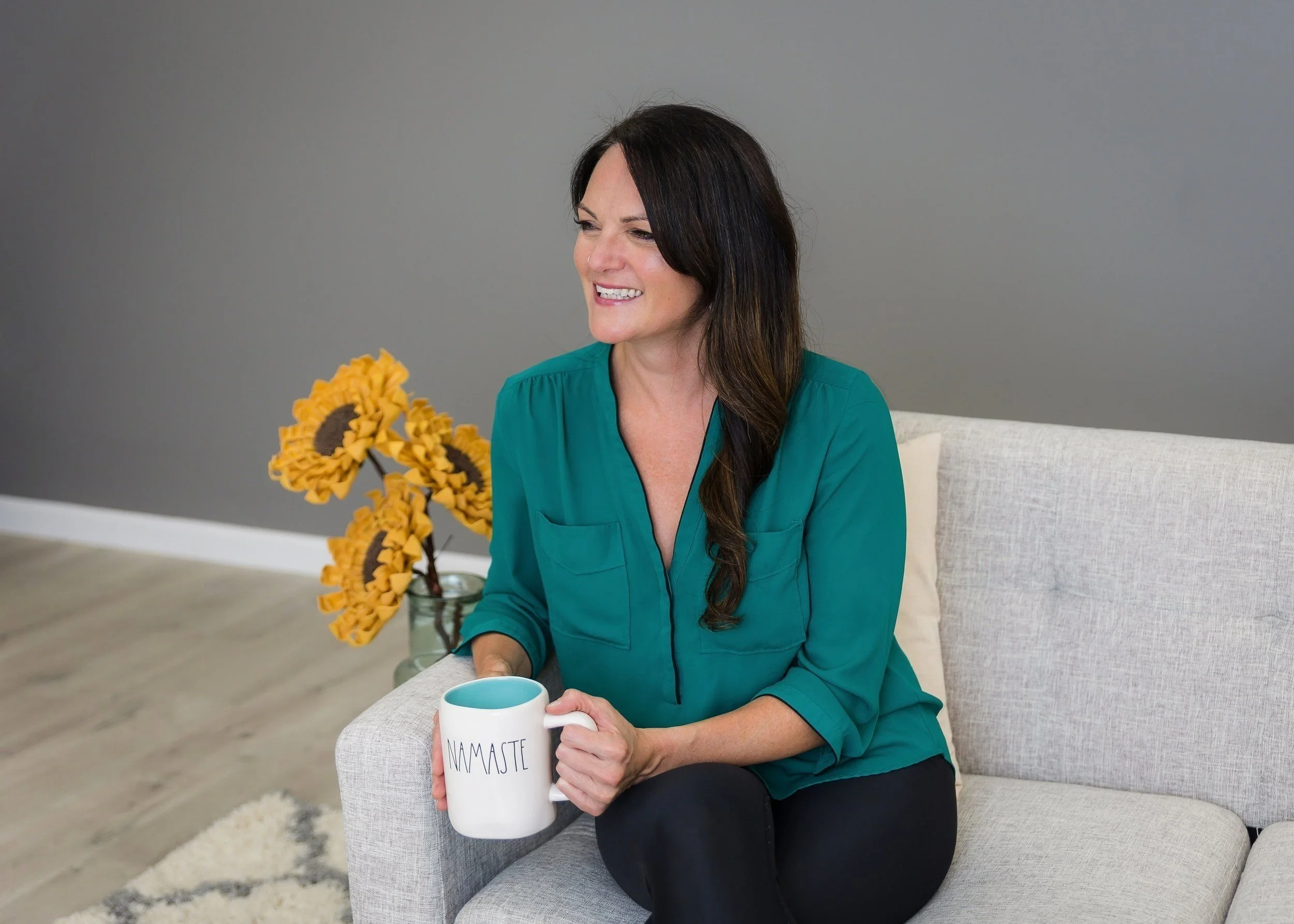
Lisa Kern is a Reiki Master, transformational coach, and author of Confessions of a People Pleaser. She works with women who feel anxious, overwhelmed, and unfulfilled — helping them get to the root of why and reclaim themselves in the process. Find her at lisakern.com.